
Make the intent unmistakable
People can adapt intelligently only when they understand what must be achieved, why it matters and what cannot be compromised.
Military
Seventeen years as a commissioned British Army officer—including combat operations in high intensity war zones—shaped a practical view of leadership: make the purpose clear, place authority close to the problem and never pass accountability down when the outcome becomes uncomfortable.
Its relevance to executive leadership lies in Mission Command: defining purpose and constraints, delegating authority to informed judgement, preparing people for uncertainty and retaining accountability for the system and its consequences.

The enduring lessons
Plans rarely survive unchanged. The leader’s job is therefore not to predict every event or control every action, but to create enough shared understanding for people to exercise judgement when circumstances move beyond the plan.
That requires preparation, trust, clear constraints and the humility to learn. Confidence matters; certainty is usually an illusion.
People can adapt intelligently only when they understand what must be achieved, why it matters and what cannot be compromised.
Training, information, trust and shared standards create the confidence to act when senior direction is unavailable or incomplete.
The leader remains accountable for the appointments, resources, constraints and decision system through which others act.
Authority may be delegated. Accountability may not.
That distinction sits at the centre of Mission Command—and of responsible executive leadership.
Mission Command
Mission Command places decisions with the people best positioned to make them: those with the strongest expertise, situational awareness, evidence or proximity to the problem.
The leader establishes intent, objectives, resources and constraints. Capable people then determine how the outcome should be achieved. This preserves strategic coherence without suppressing initiative.
It is not unrestricted autonomy, nor an excuse for a leader to step away. Delegation follows competence and context. Accountability remains with the office-holder.
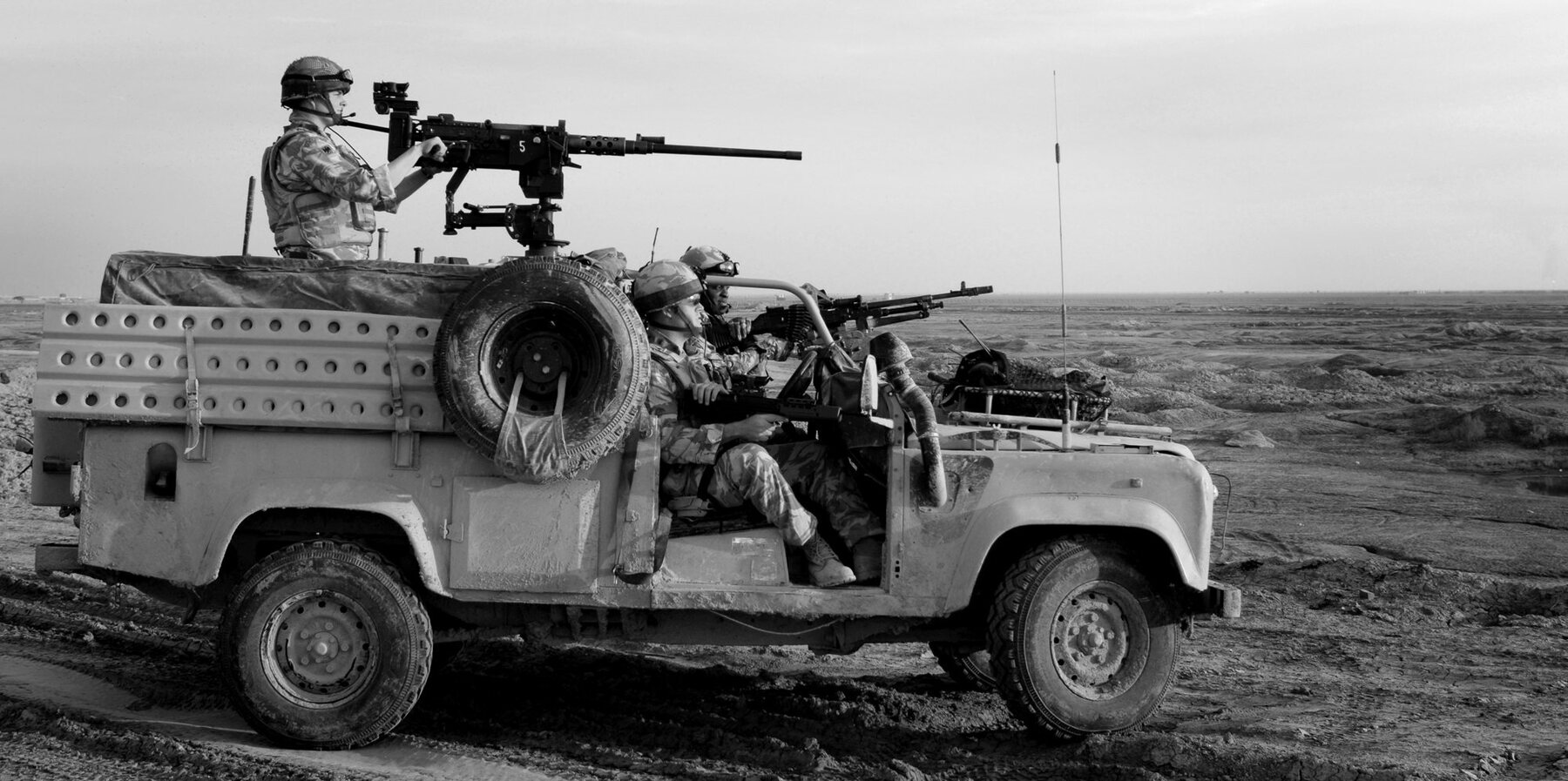
Mission Command depends on shared intent, preparation and trust—not the absence of control.

From Serve to Lead to Serve to Leave
The Army’s Serve to Lead ethos rejects the idea that rank exists for the benefit of the person who holds it. Authority creates obligations to the mission, the people and the institution.
Serve to Leave is the stewardship extension I now apply to executive office. Leadership is temporary. The test is whether people are more capable, systems are wiser, successors are better prepared and the institution is stronger when the leader departs.
A leader who makes every important decision may appear decisive while leaving the organisation slower, more dependent and more fragile. Good stewardship builds capability beyond the leader.
A principle, not a template
Military experience does not provide ready-made answers for professional bodies, Boards, volunteers or civilian workplaces. Their legitimacy, relationships and decision rights are different.
What transfers are the deeper disciplines: clarity of purpose, preparation for uncertainty, authority placed with informed judgement, honest learning after events and accountability that remains with the leader. Those disciplines became part of the Stewardship Constitution—not as borrowed military language, but as principles tested across different forms of responsibility.